
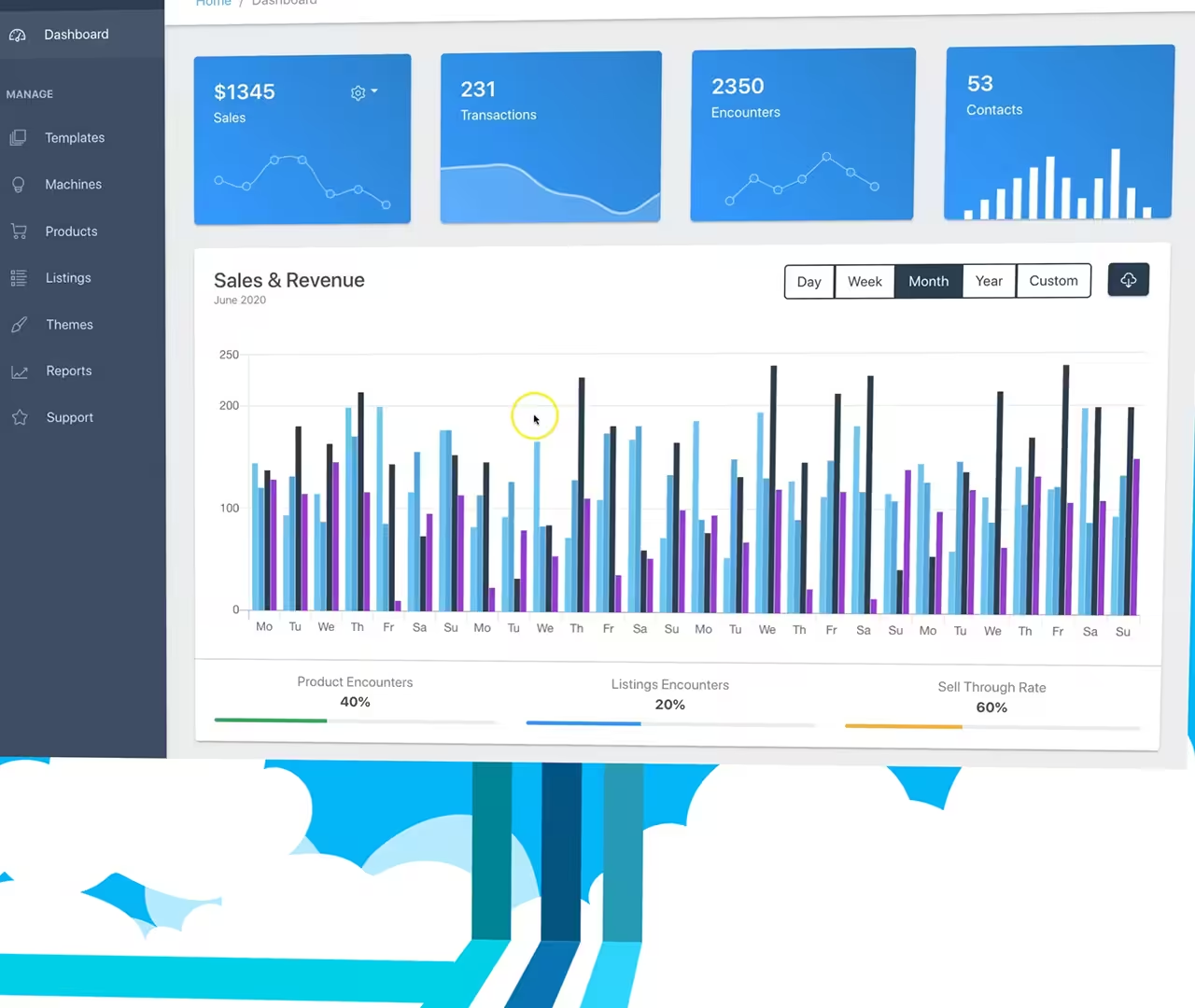
Smart vending machines are sophisticated data collection devices that gather a wide range of information to improve operations, enhance customer experiences, and provide valuable business insights. Unlike traditional vending machines that simply dispense products with minimal record-keeping, smart vending machines continuously collect, analyze, and transmit data through their cloud connectivity. This data collection capability transforms them from simple product dispensers into powerful business intelligence tools for retail, healthcare, and other applications. The types of data collected generally fall into several categories, each serving different analytical purposes while maintaining appropriate privacy protections.
Smart vending machines collect a rich array of data across multiple dimensions, transforming them from simple product dispensers into sophisticated business intelligence and public health tools. From basic transaction records to complex interaction patterns and environmental insights, this data provides valuable information for optimizing operations, improving user experiences, and making data-driven decisions.
For healthcare applications, SMRT1 CARE PODs collect specialized data that supports public health initiatives while maintaining strict privacy protections. This anonymous health resource utilization data helps organizations understand community needs, allocate resources effectively, and demonstrate program impact.
Crucially, all data collection is designed with privacy and security as fundamental principles. Through anonymization, encryption, and thoughtful system design, SMRT1 ensures that valuable insights can be gained without compromising individual privacy.
As smart vending technology continues to evolve, the sophistication and value of data collection will likely increase further, offering even deeper insights while maintaining the privacy-first approach that is essential, particularly in healthcare applications. This data-driven approach ultimately enables smart vending operators to better serve their customers, whether in retail environments or healthcare settings, by continuously refining their offerings based on actual usage patterns and demonstrated needs.
Transaction Data
At the most basic level, smart vending machines collect comprehensive transaction data, providing detailed insights into sales patterns and product performance:
Sales Metrics: Smart vending machines record every transaction, including product sold, price paid, payment method used, and exact timestamp. This creates a complete sales history that can be analyzed across various dimensions.
Inventory Movement: The system tracks which products are selling, how quickly they’re moving, and when stock levels reach reorder thresholds. This data helps prevent stockouts while optimizing inventory levels.
Revenue Analysis: Transaction data enables detailed revenue reporting, including total sales, average transaction value, and sales performance by time period (hourly, daily, weekly, monthly). These metrics help operators understand financial performance at both the individual machine and fleet levels.
Payment Method Distribution: The system records which payment methods customers prefer (cash, credit card, mobile payment, etc.), helping operators optimize their payment acceptance strategy based on actual usage patterns.
Promotion Performance: When special offers or discounts are implemented, the system tracks their impact on sales, allowing for data-driven evaluation of promotional effectiveness.
For healthcare applications, transaction data might include which health supplies are most frequently accessed, peak usage times for specific items like naloxone kits or testing supplies, and patterns in distribution that could inform public health strategies. This data is typically anonymized to protect privacy while still providing valuable insights.
Interaction Data
Beyond completed transactions, smart vending machines collect detailed information about how users interact with the system:
Browsing Behavior: The system tracks which product categories and specific items users view, even if they don’t ultimately make a purchase. This reveals customer interests and consideration patterns.
Session Duration: Data on how long users spend interacting with the machine helps understand engagement levels and identify potential friction points in the user experience.
Navigation Patterns: The system records how users move through the interface, which screens they visit, and the path they take to complete a transaction. This information helps optimize the user interface design.
Search Queries: When users search for specific products or categories, these queries are logged, revealing customer interests that might not be satisfied by the current product selection.
Abandonment Points: The system identifies at what point users abandon a potential purchase, helping operators understand and address barriers to completed transactions.
Touch Heatmaps: Advanced systems can generate heatmaps showing where on the screen users touch most frequently, providing insights for interface optimization.
In healthcare settings, interaction data might reveal which educational content users engage with most, how long they spend reviewing usage instructions for health products, or which resources they search for but can’t find. This information helps health organizations refine their educational content and product offerings to better serve community needs.
Environmental Data
Smart vending machines also collect information about their surrounding environment and operational conditions:
Peak Activity Times: By analyzing transaction data across time periods, the system can identify peak hours, days, or seasons, helping operators optimize restocking schedules and promotional timing.
Location Performance Comparison: When multiple machines are deployed, the system can compare performance metrics across different locations, revealing which environments yield the best results for specific products or promotions.
Operational Status: The machine continuously monitors its own operational parameters, including temperature (critical for food or medication storage), power consumption, connectivity strength, and component functionality. This data helps ensure optimal performance and prevent failures.
External Triggers: Some smart vending systems can correlate sales patterns with external factors like weather conditions, local events, or even social media activity, providing context for fluctuations in customer behavior.
This environmental data is particularly valuable for healthcare applications, where understanding usage patterns in different communities or settings can inform public health strategies. For example, comparing harm reduction supply access patterns between urban and rural locations might reveal important differences in needs or usage behaviors.
Healthcare Applications
In healthcare settings, smart vending machines collect specialized data that supports public health initiatives and improves care delivery:
Anonymous Health Resource Utilization: SMRT1 CARE PODs deployed for harm reduction or public health can track which supplies are accessed most frequently (naloxone kits, safe injection supplies, testing kits, etc.) while maintaining user anonymity. This data helps health departments understand community needs and allocate resources appropriately.
Educational Content Engagement: When healthcare-focused vending machines display educational materials about proper medication use, harm reduction techniques, or disease prevention, the system tracks which content users engage with and for how long, helping improve health education strategies.
Geographic Distribution Patterns: Data from multiple CARE PODs deployed across different locations can reveal geographic patterns in health supply needs, helping public health officials identify areas that might benefit from additional resources or interventions.
Time-Sensitive Health Trends: Usage patterns for specific health supplies can sometimes indicate emerging health concerns. For example, increased access of certain testing kits might signal a potential outbreak, allowing for faster public health response.
Program Effectiveness Metrics: For grant-funded health initiatives using smart vending, the data collected can demonstrate program reach and impact, supporting continued funding by showing quantifiable results like number of naloxone kits distributed or testing supplies accessed.
Telehealth Integration Data: Advanced healthcare vending kiosks that connect users with remote healthcare providers can collect data on service utilization, consultation duration, and issue resolution rates, helping improve telehealth delivery models.
All healthcare data collection is designed with strict privacy protections, using anonymization techniques to ensure that sensitive health information remains confidential while still providing valuable population-level insights.
Data Utilization
The value of data collected by smart vending machines lies in how it can be applied to improve operations, customer experience, and outcomes:
Operational Optimization: Data insights enable operators to optimize restocking schedules, product selection, and machine placement based on actual usage patterns rather than assumptions.
Personalized Experiences: Aggregate interaction data helps create more intuitive user interfaces and potentially personalized experiences for returning users (with appropriate privacy controls).
Product Mix Refinement: By analyzing which products sell well together or which items customers frequently search for, operators can refine their product offerings to better meet customer needs.
Marketing Effectiveness: Data on promotional content engagement and conversion rates helps operators design more effective marketing strategies and on-screen promotions.
Predictive Analytics: With sufficient historical data, smart vending systems can begin to predict trends, anticipate demand fluctuations, and even recommend proactive maintenance before components fail.
For healthcare applications, data utilization takes on additional dimensions:
Public Health Resource Allocation: Anonymous usage data helps health departments allocate limited resources more effectively, ensuring supplies are available where and when they’re most needed.
Program Evaluation: Data provides objective metrics for evaluating the effectiveness of health initiatives, supporting evidence-based decision making for program continuation or modification.
Community Needs Assessment: Usage patterns across different locations and times help identify unmet health needs in specific communities, informing outreach and education efforts.
Health Trend Monitoring: Aggregate data on health supply access can sometimes reveal emerging health trends, allowing for more responsive public health interventions.